

NetSuite
Oracle's cloud ERP for finance, AR/AP and billing. Freight invoices and carrier bills are written from Finance into NetSuite over SuiteTalk REST, payment status comes back to the load, and margin by lane lands in Reports.

Oracle NetSuite is a cloud ERP for finance, accounting, AR/AP, billing and inventory. Each delivered load produces a customer invoice and a carrier vendor bill in NetSuite with no re-keying. Payment status comes back to the load, and margin by lane shows in Reports the same week. The controller or AP lead usually requests it; the NetSuite admin creates the integration record.
What teams use it for
Invoice the customer the day the POD lands
A load delivers on Tuesday. Without the connector, the POD reaches the office on Thursday and the invoice goes out the next week, after someone types it into NetSuite. With it, the carrier's POD lands in Documents and a digital worker builds the customer invoice in Finance from the rate and accessorials on the load. Cargofy writes the invoice to NetSuite against the existing customer record, and the billing clerk finds it posted with the load reference, ready to send.
Post the carrier bill against the agreed rate
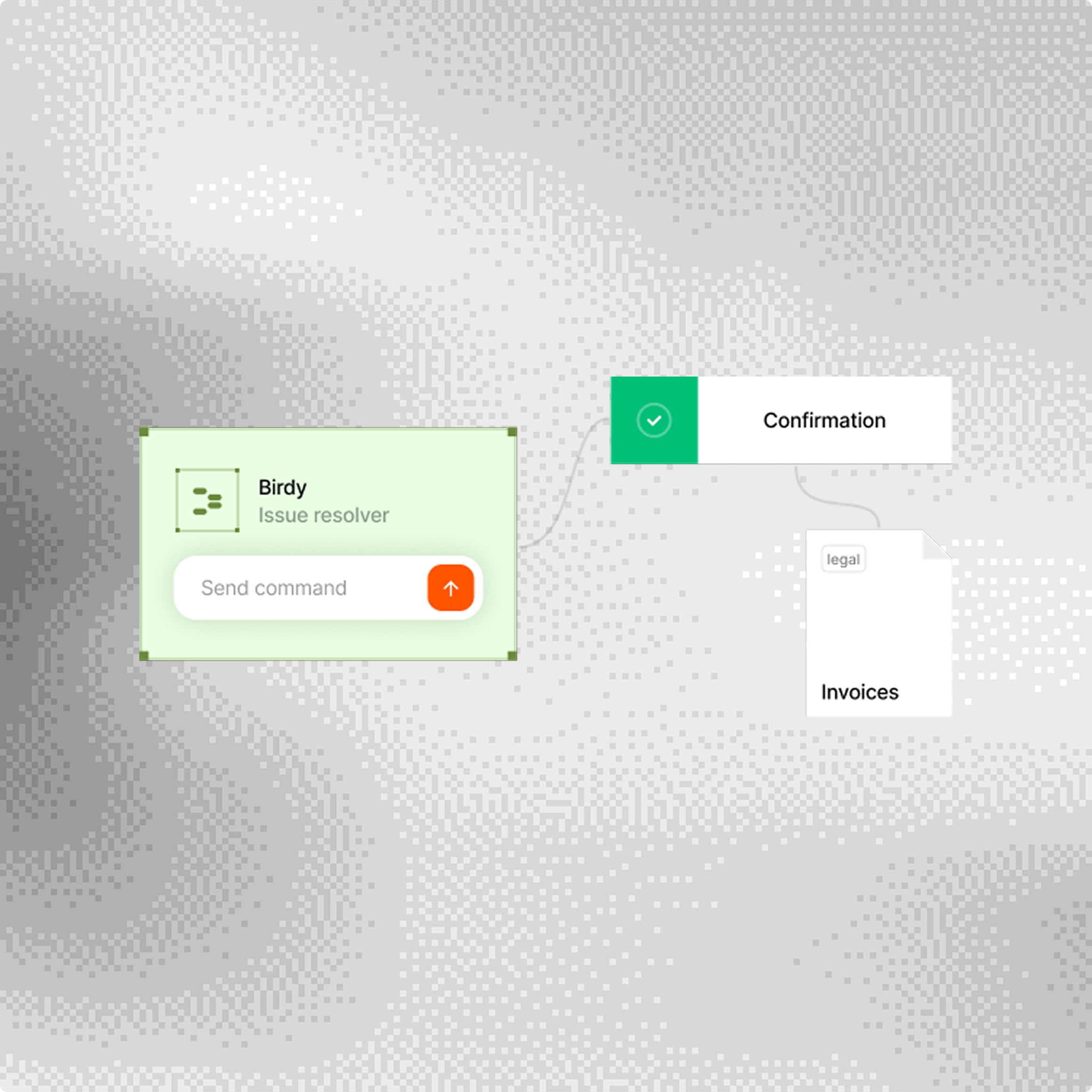
Carrier bills arrive by email, and AP usually keys them in by hand and checks them against the rate con from memory. Cargofy writes each carrier bill from Finance to NetSuite as a vendor bill on the carrier's vendor record, with the agreed rate and the load's accessorials beside it. A digital worker flags any bill above the rate con before it is posted. The AP clerk approves the clean bills and opens only the flagged ones.
Reconcile detention and demurrage with the GL
A carrier bills two hours of detention on a truckload from Chicago to Dallas. When the vendor bill lands in Finance, a digital worker reads the matching journal entries from NetSuite, compares the detention charge to the accrual and flags any difference on the load. In Reports, the controller sees which lanes and carriers generate accessorials, and how much, within the week.
See which loads are paid
When a customer payment is applied to an invoice in NetSuite, Cargofy reads the status back to the load, so Load Hub shows it as paid, open or overdue. Each morning a digital worker lists overdue loads by customer for the AR clerk in Finance. Before promising a new booking, a customer service rep can open the customer in Load Hub, see three open invoices, and check with AR first. Collections and service work from the same payment state.
Report margin by lane from the books
After AP posts the carrier's vendor bill and AR posts the customer invoice in NetSuite, a digital worker runs SuiteQL queries against those records, including your custom fields, and pulls revenue and cost per load into Reports. The controller gets margin and P&L by lane, customer and carrier from the records AP and AR posted, with no spreadsheet rebuilt from exports. A lane that turns negative shows up that week.
How it fits your stack
NetSuite stays the system of record for the books. Cargofy reads customers, vendors, payments, journal entries and item and inventory records, and runs SuiteQL queries for reporting. It writes invoices and vendor bills, and creates or updates customer and vendor records for your customers and carriers. Setup is per account: your NetSuite admin creates an integration record with OAuth 2.0, and Cargofy maps your chart of accounts, subsidiaries and custom fields. GL journal entries are read for reconciliation; Cargofy does not post journal entries of its own.
Who it is for
Shippers and distributors that run NetSuite as their ERP and buy transport at a volume where freight billing and carrier payables are a daily job. AP clerks approve carrier bills in Finance, the controller reviews margin by lane in Reports, and the NetSuite admin owns the integration record.


Enterprise grade security
Your data stays yours. Built with privacy-first architecture for regulated industries.

Enterprise access controls

Independently audited

GDPR, CCPA, HIPAA ready

AES-256 at rest, TLS 1.3 in transit
Works on top of your existing tools
Communication




Finance








Instant quotes






Carrier onboarding


















Files & Storage


E-commerce

Shipper portals





Broker portals























Capacity platforms


Put AI to work on your next lane
Show us how your team procures freight today. We will demonstrate how Cargofy can run the same workflow with less manual coordination.
A better way to procure freight
Give every load broader carrier reach and consistent follow-up without adding more manual work to your team.
