

Vchasno
Ukraine's electronic document exchange, used by Nova Poshta, Rozetka and Glovo. Acts, invoices and TTN or CMR go from Documents to the counterparty in Vchasno, get signed with KEP, and come back with status on the load.

Vchasno is the Ukrainian electronic document exchange where organisations send each other documents and sign them with a qualified electronic signature (KEP). Connected to Cargofy, the act, the invoice and the TTN or CMR for a shipment leave Documents, get signed on both sides, and show their status on the load. The accountant usually requests it; the IT admin enters the API credentials and sets up the KEP.
What teams use it for
Send closing documents when a shipment closes
A load from Kyiv to Lviv is delivered and the dispatcher closes the shipment. The digital worker generates the act, the invoice and the CMR from load data in Documents and sends them to the carrier's organisation in Vchasno. That used to mean exporting three files, logging into Vchasno, uploading each one and picking the counterparty by hand.
Sign your side with KEP in the same step
Before an act leaves, the digital worker signs your side with your organisation's KEP through the Vchasno API, so the carrier receives an act that only needs their signature. The IT admin sets up the KEP once and picks the document types it applies to, and nobody in the signing office opens Vchasno for each act. The dispatcher sees the act on the load in Documents as sent and signed on your side.
See which acts are unsigned before month end
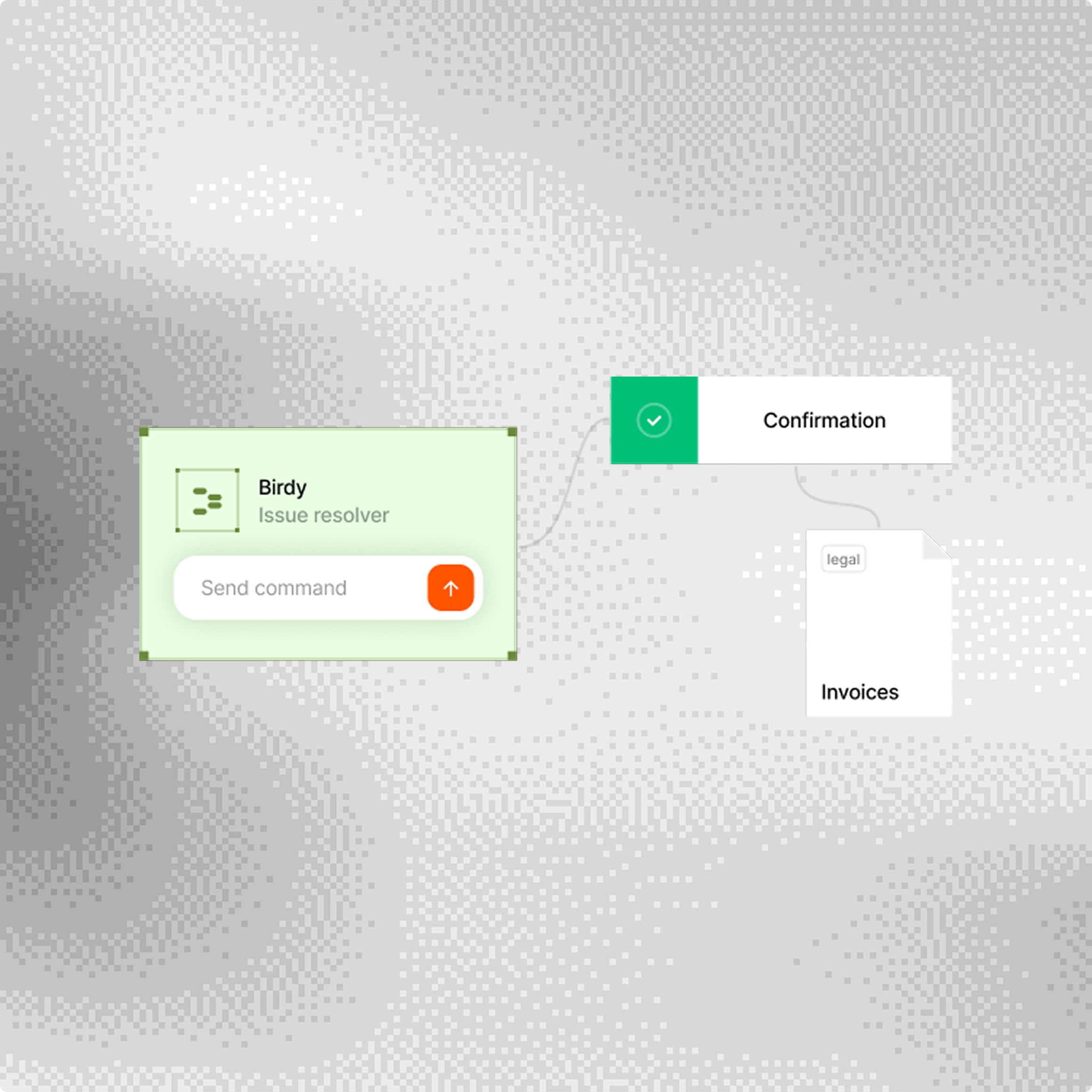
At month end, the AR clerk needs to know which acts carriers and customers have not signed. Cargofy reads document status from Vchasno on a schedule and shows it on each load in Documents: sent, waiting for the counterparty, or signed. When both sides have signed, the load moves to settlement with the signed set attached.
Match the carrier's invoice to its load
Carriers send their own invoices and acts through Vchasno. The digital worker reads documents addressed to your organisation into Documents and matches them to the load by number or counterparty. The AP clerk opens the load and sees your act, your invoice and the carrier's invoice together, with the signed CMR next to them.
Keep a signed CMR on every international load
The dispatcher books a Kyiv to Warsaw load and marks it international. The digital worker generates the CMR from the load, sends it to the carrier's organisation in Vchasno, signs your side with KEP and reads the carrier's signature back when it arrives. The signed CMR stays on the load in Documents, so when the customer asks for proof of carriage three months later, customer service sends it from there.
How it fits your stack
Your accounting system stays the system of record for postings, Vchasno is the legal record of the signed document, and Cargofy holds the load and its document set. Cargofy writes the acts, invoices and TTN or CMR it sends, plus the signature requests, and reads incoming documents and document statuses. Setup is an API key: your admin enters the Vchasno credentials in Cargofy settings and picks the document types to automate. Counterparties not registered in Vchasno do not receive documents through it.
Who it is for
Ukrainian shippers, forwarders and carriers that close shipments with acts, invoices and TTN or CMR, and whose counterparties sign in Vchasno. Dispatchers close the shipments, AP and AR clerks watch status in Documents, and the IT admin owns the credentials and the KEP setup.


Enterprise grade security
Your data stays yours. Built with privacy-first architecture for regulated industries.

Enterprise access controls

Independently audited

GDPR, CCPA, HIPAA ready

AES-256 at rest, TLS 1.3 in transit
Works on top of your existing tools
Communication




Finance







Instant quotes



Carrier onboarding


















Files & Storage


E-commerce

Shipper portals




Broker portals























Capacity platforms


Put AI to work on your next lane
Show us how your team procures freight today. We will demonstrate how Cargofy can run the same workflow with less manual coordination.
A better way to procure freight
Give every load broader carrier reach and consistent follow-up without adding more manual work to your team.
