

eCMR
The electronic CMR consignment note, run on TransFollow. Confirmed loads in Load Hub become eCMR drafts, drivers sign at loading and unloading, and the signed note and POD land in Documents minutes after the truck unloads.
eCMR is the electronic consignment note under the 2008 Additional Protocol to the CMR Convention, valid in Germany, France, Spain, Italy, the Netherlands, Poland, Belgium and the other ratifying countries. TransFollow is the platform most carriers sign on. With the integration on, every confirmed European road load leaves Load Hub with its note drafted, and the signed note comes back into Documents with no paper to scan. Transport managers usually switch it on, with the finance lead close behind because of the POD.
What teams use it for
Draft the consignment note before the truck arrives
When a load is confirmed in Load Hub, Cargofy creates the draft note in TransFollow. Sender, consignee, carrier, goods and route are filled from the load, the party roles go to sender, carrier and consignee, and the document is handed to the carrier. The planner sees the draft attached to the load, with no CMR form to print or copy from the TMS.
Confirm pickup without calling the site
The driver signs the note in the TransFollow Drive app at the loading bay. Cargofy reads that event and moves the load to picked up in Tracking, with the signature time on record. Customer service sees the pickup on the load, and the customer's status page updates at the same time.
Chase the unloading signature before it becomes a dispute
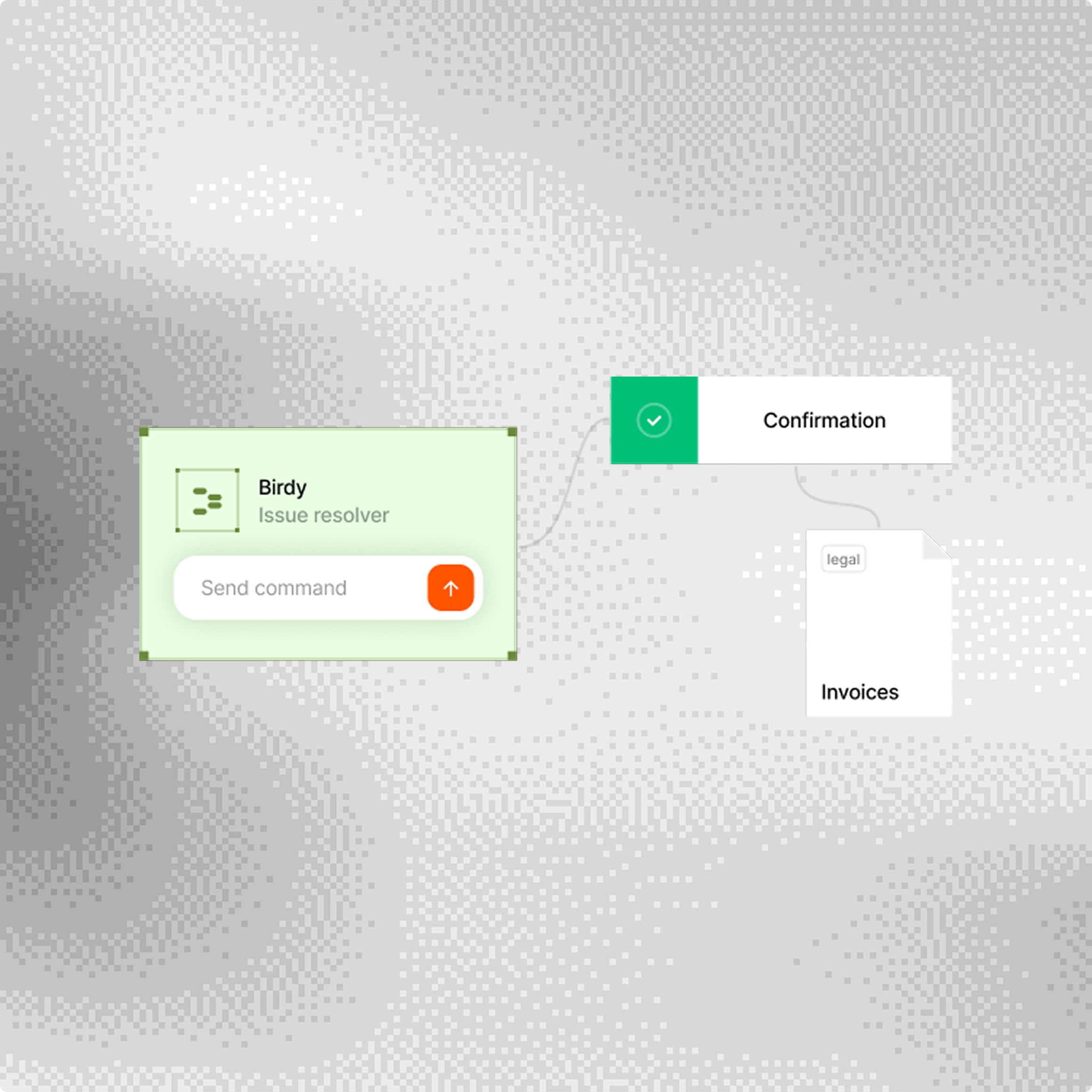
Planned delivery was 14:00, and at 17:00 the note is still open in TransFollow. A digital worker follows every open eCMR, sees the missing unloading event and sends the carrier and the driver a reminder to sign in TransFollow Drive. In Tracking, the dispatcher sees the load flagged as unsigned with the reminder sent, and steps in only if the driver has not signed by the next check.
Release the carrier invoice on a signed POD
When the consignee signs at unloading, TransFollow produces the signed PDF plus any photos the driver attached. Cargofy pulls them into Documents on the load, and Finance picks up the POD with the unloading timestamp. The AP clerk approves the carrier invoice against a signed document and checks detention against the times recorded on the note.
Keep the evidence when goods arrive damaged
At unloading the driver finds two crushed pallets, photographs them and attaches the images to the note in TransFollow Drive. The consignee's remark is captured with the signature. Within minutes, Cargofy files the photos and the signed PDF in Documents on the load. When the claim arrives the following week, the claims handler finds the signed note, photos and timestamps in one place.
How it fits your stack
Your TMS or ERP and Load Hub stay the system of record for the load; TransFollow holds the legal document. Cargofy writes the draft, party roles and handover to TransFollow, and reads statuses, events, attachments and the signed PDF back into Tracking and Documents. Authorization is OAuth, but TransFollow approves the account by email first, so access is not self-serve. The limit is on the carrier side: drivers who are not on the TransFollow Drive app cannot sign, and their loads stay on paper CMR.
Who it is for
Shippers moving road freight inside the ratifying countries, with carriers on TransFollow or willing to join. Transport planners confirm the loads that create notes, customer service works from the signatures in Tracking, and AP clerks release carrier invoices on the signed POD in Documents.

Enterprise grade security
Your data stays yours. Built with privacy-first architecture for regulated industries.

Enterprise access controls

Independently audited

GDPR, CCPA, HIPAA ready

AES-256 at rest, TLS 1.3 in transit
Works on top of your existing tools
Communication




Finance






Instant quotes



Carrier onboarding


















Files & Storage


E-commerce

Shipper portals





Broker portals






















Capacity platforms


Put AI to work on your next lane
Show us how your team procures freight today. We will demonstrate how Cargofy can run the same workflow with less manual coordination.
A better way to procure freight
Give every load broader carrier reach and consistent follow-up without adding more manual work to your team.
