

Gmail
Google's mail service, reached through the Gmail API with push notifications. A digital worker reads the ops mailbox, files rate cons and PODs to the right load in Documents, and answers status requests from Tracking.

Gmail is where a shipper's freight email arrives: rate confirmations, BOLs, PODs, tracking questions and the odd claim. With a mailbox connected, a digital worker reads each new message when Gmail pushes it, files attachments to the right load and answers routine questions, so the team works from Load Hub. The ops lead usually switches it on, with IT approving the Google grant.
What teams use it for
File the rate confirmation without opening the email
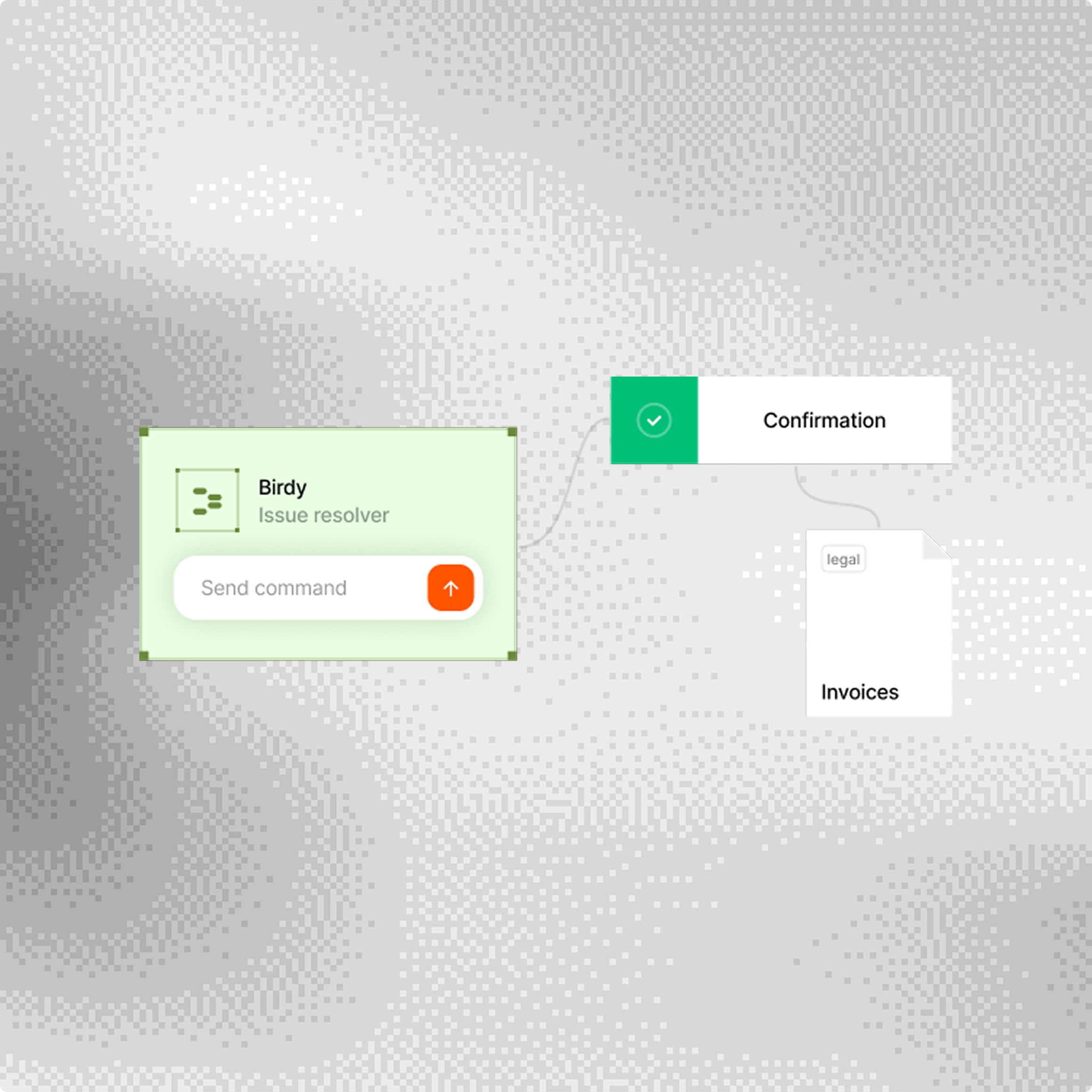
A carrier sends a signed rate con for a reefer load from Fresno to Denver to the ops mailbox. Gmail pushes the notification and Cargofy matches the reference in the subject to the load in Load Hub. It files the PDF in Documents, pulls the rate and pickup date into the load and labels the thread. The dispatcher sees the rate con on the load with a green check.
Get the POD onto the load when it arrives
Later, the driver photographs the signed POD and emails it. The digital worker classifies it as a POD, attaches it to the load in Documents and applies the POD label in Gmail. Finance now has the document it needs to release the carrier invoice.
Answer "where is my load" in minutes
The consignee writes to the same mailbox asking for delivery confirmation. The worker finds the load and drafts a reply with the unload time from Tracking and the POD attached. Depending on the rule you set, it sends the reply or leaves it in Drafts for customer service to approve. The customer gets an answer in minutes, and the reply stays on the thread as part of the load's log.
Reply to a rate request with a quote from Sales
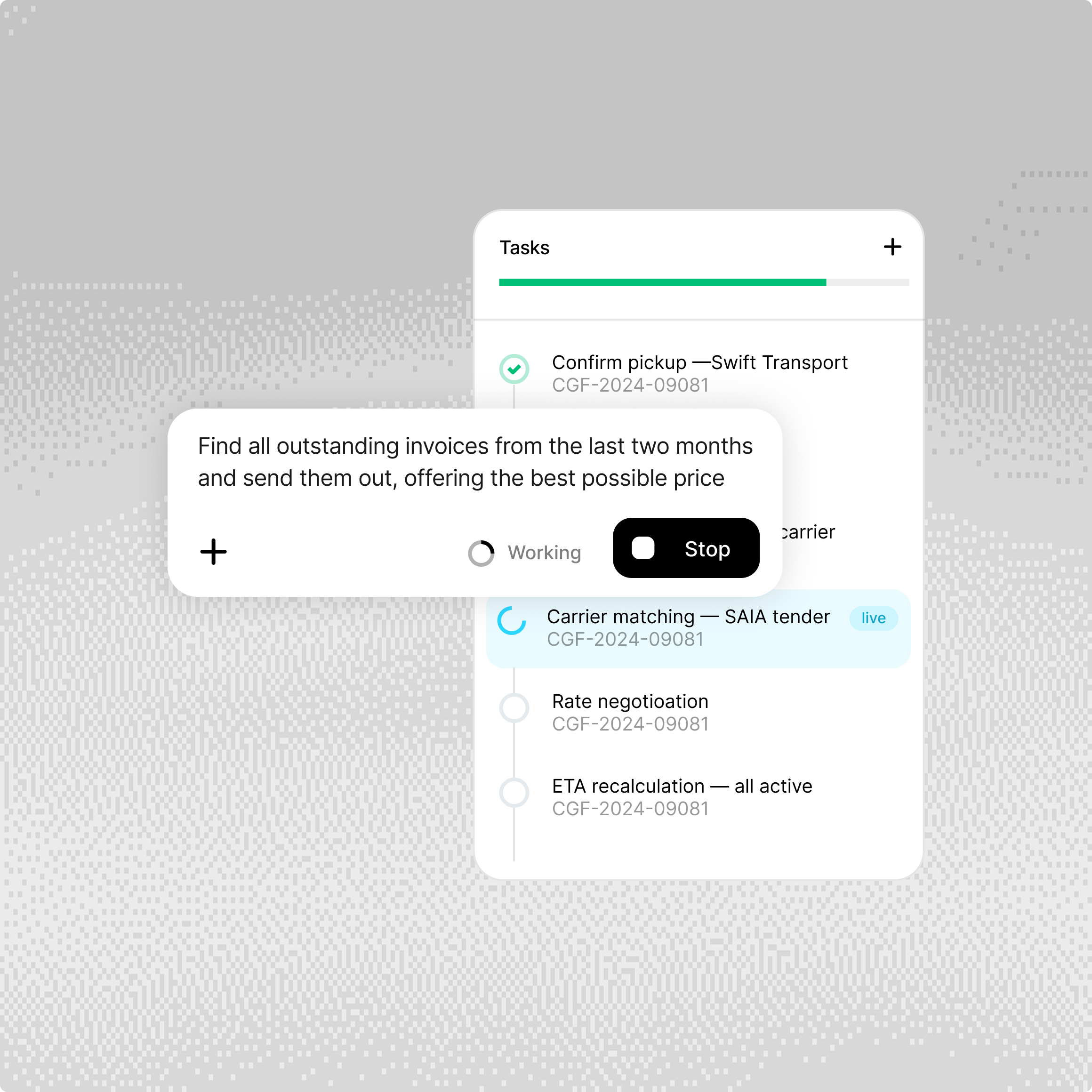
A customer emails asking for a price on a lane you run every week. The worker recognises a rate request, looks up the lane in Sales and drafts the quote in Gmail with your standard terms. Sales staff review the draft, and the quote is on the load's thread when the order comes in.
Keep one thread per load for the audit
Three weeks after delivery, a carrier emails a detention claim for a load that unloaded in Denver. Every Gmail thread on that load, with the carrier, the customer and the consignee, was linked to it on arrival and read whole into Tracking as the load's communication log. The dispatcher opens the load in Tracking and reads the conversation in order. The appointment time the consignee confirmed and the arrival time in the driver's message are both there, and the dispatcher replies to the claim with that evidence attached.
How it fits your stack
Gmail stays the mailbox, and the original messages never leave it; Load Hub and Documents hold the extracted fields and copies of attachments. Cargofy reads messages, attachments and threads, and writes labels and draft replies back, sending from the connected address. Setup is OAuth: an admin grants mail read, send and label scopes for the mailbox from Cargofy settings. This covers mail only. Calendar, Drive and Chat are separate integrations, and a shared team inbox needs delegation set up in Gmail.
Who it is for
Shippers and forwarders on Google Workspace whose freight traffic runs through a shared ops mailbox. Dispatchers and customer service work the classified inbox, AP clerks pick up carrier invoices filed to Documents, and the IT admin owns the Google grant.


Enterprise grade security
Your data stays yours. Built with privacy-first architecture for regulated industries.

Enterprise access controls

Independently audited

GDPR, CCPA, HIPAA ready

AES-256 at rest, TLS 1.3 in transit
Works on top of your existing tools
Communication



Finance









Instant quotes





Carrier onboarding


















Files & Storage


E-commerce

Shipper portals





Broker portals























Capacity platforms


Put AI to work on your next lane
Show us how your team procures freight today. We will demonstrate how Cargofy can run the same workflow with less manual coordination.
A better way to procure freight
Give every load broader carrier reach and consistent follow-up without adding more manual work to your team.
